
A Beginner’s Guide to Matting on Floor: Techniques and Tips
Installing floor mats enhances safety, comfort, and aesthetics. For beginners, understanding matting basics is essential for informed choices. This guide provides practical techniques and tips for successful installation.
Choosing the right floor mat involves considering material, size, and intended use. From anti-fatigue mats for comfort to entry mats that trap dirt, each type serves a specific purpose. Knowing how to select and install mats correctly can prevent common pitfalls.
Step-by-Step Guide to Floor Matting Installation
To install floor mats successfully, follow these steps: surface preparation, measuring, cutting, and securing the mats.
- Surface Preparation: Clean the area where the mat will be installed. Remove dust and debris. If the floor is uneven, level it with a self-leveling compound. This step is crucial to avoid matting failure.
- Measuring: Measure the area accurately with a tape measure. Make multiple measurements to account for discrepancies, especially in irregularly shaped rooms. Document your measurements clearly.
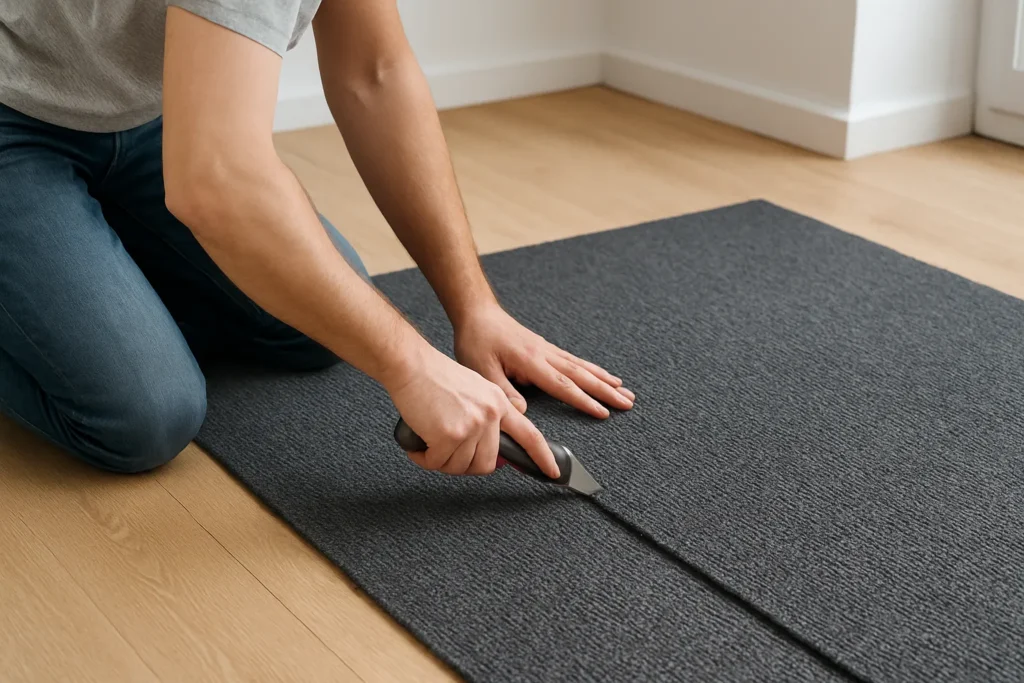
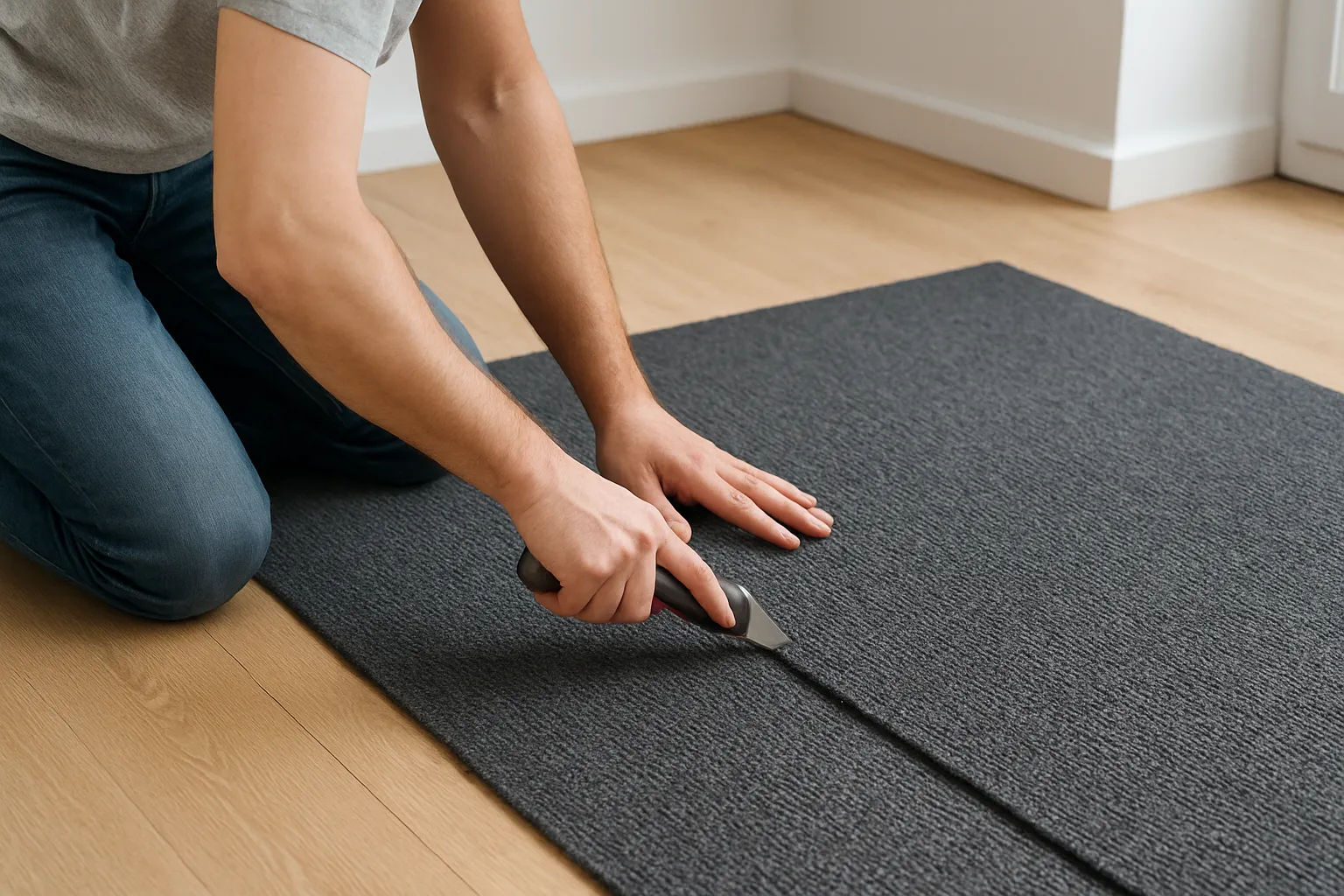
- Cutting: Transfer measurements to the mat material, marking where cuts will be made. Use a straight edge and utility knife for precise cuts, allowing for slight overage for complete coverage.
- Securing Mats: Choose an appropriate adhesive for your floor type. Apply the adhesive evenly, following the manufacturer’s instructions. Lay the mat carefully and press it down to eliminate air bubbles. A roller can help ensure even adherence.
Common Pitfalls: A frequent mistake is underestimating adhesive selection. Using the wrong type can lead to mats lifting or curling. Always consult product specifications and seek advice if unsure.
Types of Floor Mats: Comparison and Selection
Understanding different types of floor mats is essential, as each has unique properties affecting durability and maintenance. Here’s a comparison of three common types: rubber, carpet, and vinyl mats.
- Rubber Mats: Durable and slip-resistant, ideal for high-traffic areas like gyms and kitchens. They resist moisture, preventing mold. Maintenance is straightforward; simply wipe or hose them down.
- Carpet Mats: Offer a soft surface, great for offices or homes. They absorb sound and provide warmth but require more maintenance, as they can trap dirt. Regular vacuuming and deep cleaning are necessary.
- Vinyl Mats: Versatile and available in various designs. Easy to clean and resistant to spills, suitable for residential and commercial settings. However, they may be less durable in high-traffic areas and can fade over time.
In summary, choose rubber mats for durability, carpet mats for comfort, and vinyl mats for easy maintenance.
Common Mistakes to Avoid When Matting Floors
Several common mistakes can undermine your efforts when matting floors. Understanding these pitfalls ensures smoother installation and long-lasting performance.
- Improper Measurements: Measure accurately before purchasing mats. Failing to account for doorways or irregular shapes can lead to poor fit. Always double-check measurements and consider adding extra inches for overlap.
- Inadequate Surface Preparation: The floor must be clean, dry, and free from debris for proper adhesion. Installing mats over a dusty or oily floor can lead to curling or lifting. Take time to clean and dry the area thoroughly.
- Neglecting Maintenance: Regular cleaning prevents dirt from degrading the material. Depending on the mat type, you may need to vacuum, wipe down, or deep clean periodically. Rotating mats in high-traffic areas can ensure even wear.
By avoiding these mistakes, you can enhance the effectiveness and durability of your floor matting.
Frequently Asked Questions about Floor Matting
- Best Materials for High-Traffic Areas: Rubber mats are effective due to their durability and slip-resistance. Vinyl mats also offer a balance of comfort and resilience.
- Cleaning and Maintenance: Regular cleaning is crucial. For dirt, a vacuum or broom works well. For deeper cleans, use mild soap and warm water.
- Ensuring Longevity: Place mats strategically to catch dirt. Use entrance mats to capture moisture and rotate mats to ensure even wear.
- Common Mistakes: Using the wrong mat type for specific environments can lead to issues. Always match the mat material to its intended use.
By addressing these inquiries and implementing proper care techniques, you can ensure that your matting enhances both aesthetics and functionality.